NIDDERDALE ANGLING CLUB
Trout & Grayling Fishing In Nidderdale
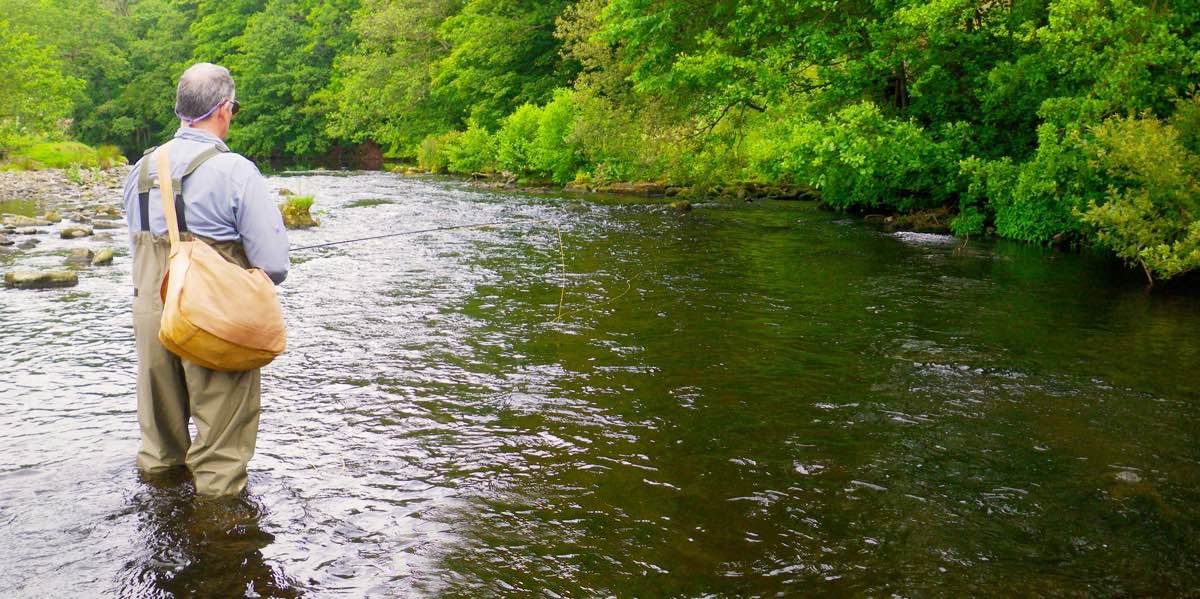
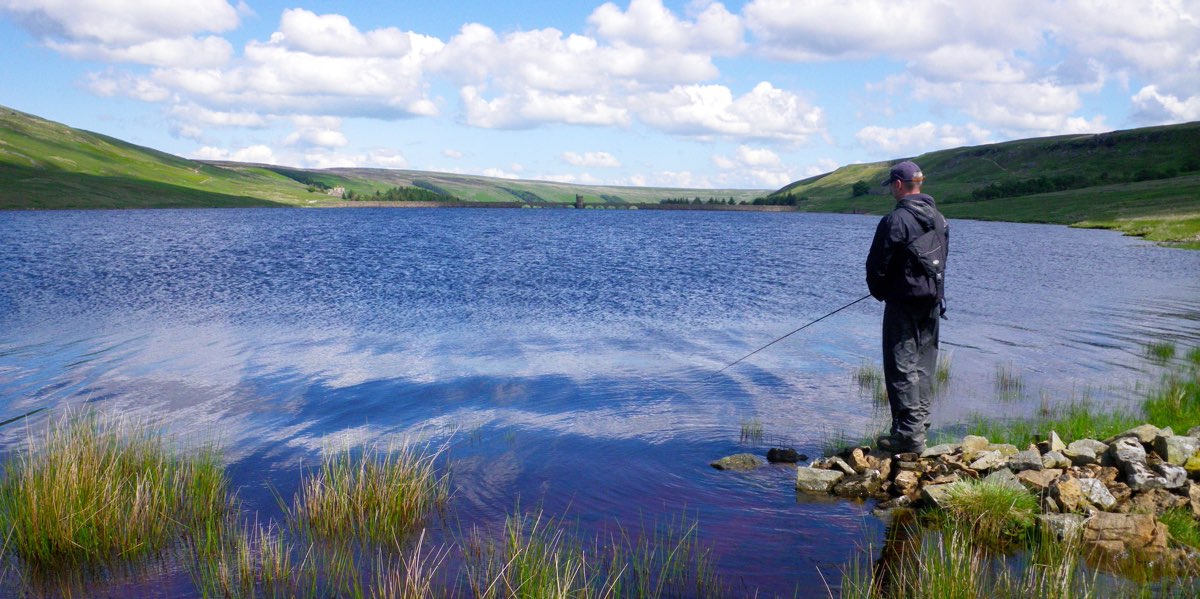
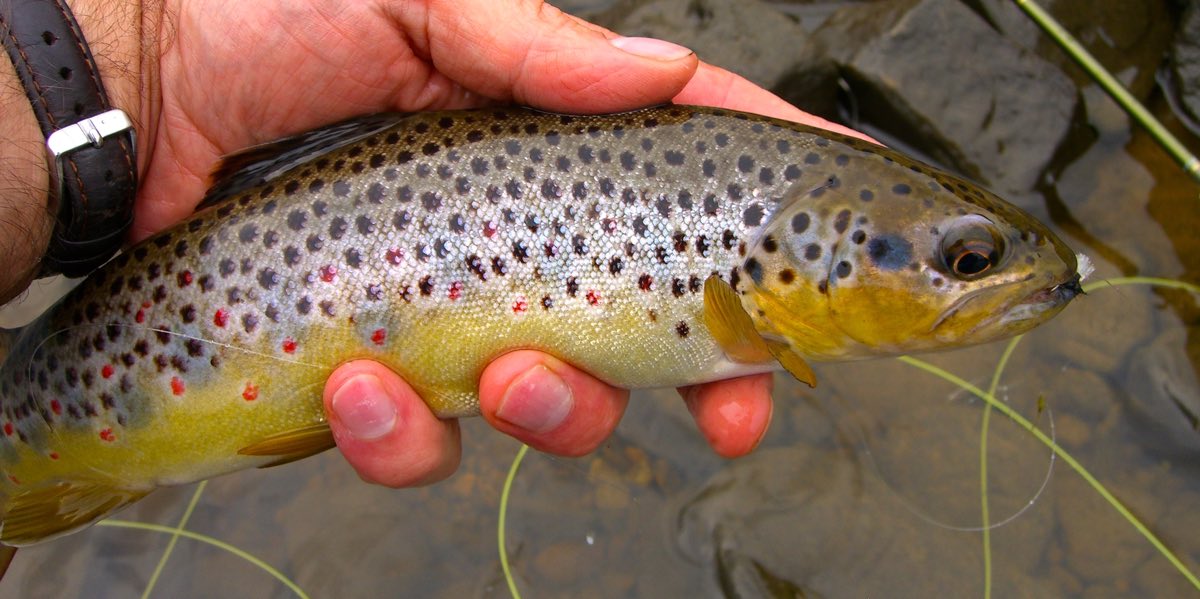
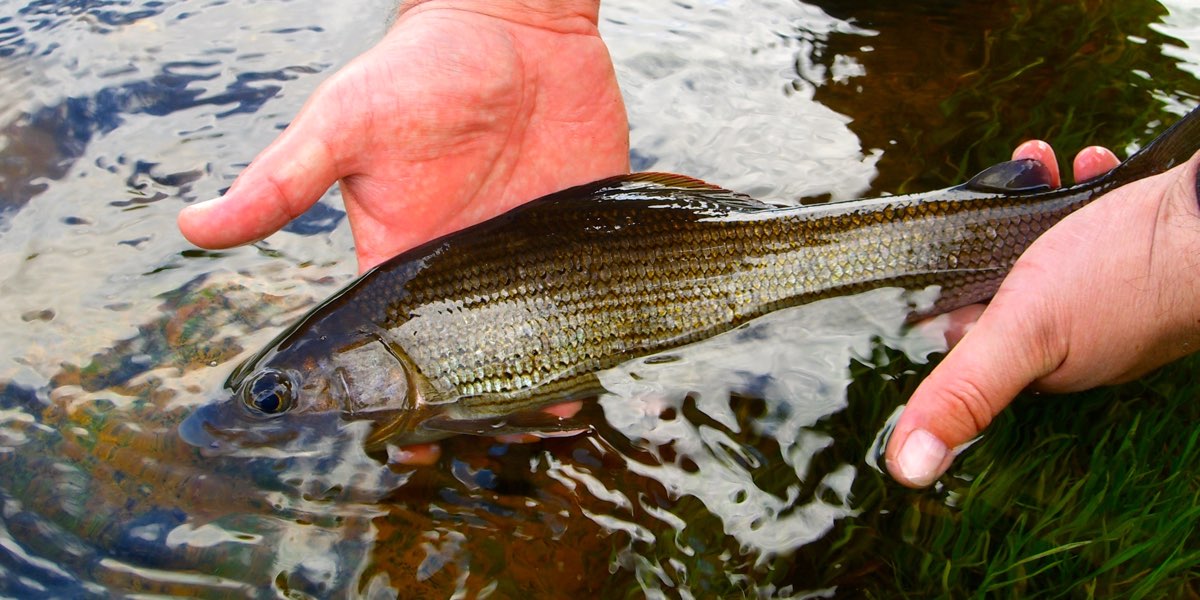
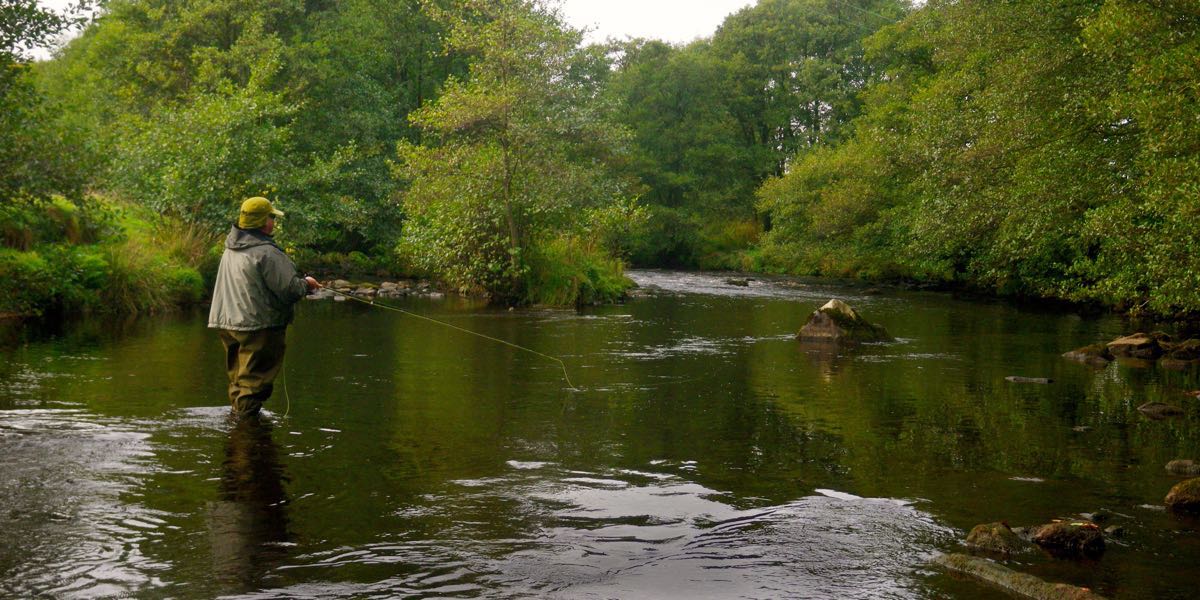
Nidderdale Angling Club controls around 7 miles of fishing on the River Nidd and Scar House Reservoir. Fishing is centred around the pretty village of Pateley Bridge, in the Yorkshire Dales. The River Nidd has a good population of Wild Brown Trout and wild Grayling. Scar House Reservoir, located at the very head of Nidderdale, is an upland Wild Brown Trout fishery. Flyfishing and bait fishing (using float or ledger) are allowed on the club's waters, although some areas are restricted to flyfishing only.
Nidderdale Angling Club is justifiably proud of its long history and traditions. The club was formed in 1897 by a group of local anglers in the Old Oak Inn, in the village of Low Laithe, near Pateley Bridge. Today the club is still providing fine Brown Trout and Grayling fishing for local and visiting anglers, and with a constitution that looks to continue this for future generations by good fishery management and by adopting rules, by-laws, and policies that encourage angling practices sympathetic to the conservation of fish species native to the river. As such we...
- Have installed platforms for disabled anglers on the Millennium Green in Pateley Bridge
- Offer free fishing to juniors and hold annual Junior Fishing Days
- Work with the Wild Trout Trust to improve the river environment to encourage natural habitat regeneration. Visit the Wild Trout Trust Website for more information.
Nidderdale is designated as an Area of Outstanding Natural Beauty and borders the Yorkshire Dales National Park. There are many attractions in the area for all the family, e.g. Brimham Rocks, Fountains Abbey, How Stean Gorge, Nidderdale Museum...
Nidderdale Angling Club has also been working hard to improve the habitat for our Wild Brown Trout by creating better conditions to spawn. We are very proud to have been invited to help the Angling Trust create a short film about our hard work in promoting wild re-stocking of our beautiful river. This work has been carried out in conjunction with the Wild Trout Trust.
MEMBERSHIP
Membership of Nidderdale Angling Club is available for local anglers
Local Members Subscription 2025/26 | ||
|---|---|---|
Subscription | ||
| Adult | £95 | |
| Junior (up to 18 years) |
Free of charge | |
| Senior (after 10 years membership) |
£35 | |
Season tickets are available for anglers not classed as local
Season Tickets 2025/26 | ||
|---|---|---|
Subscription | ||
| Adult | £95 | |
| Junior (up to 18 years) |
Free of charge | |
| Senior (after 10 years membership) |
£35 | |
Download the full download club constitution, rules and by-laws
The club's constitution states: "Qualification for membership shall be voting residence within the area of the old Pateley Bridge Union". This is a rule dating back to the formation of Nidderdale Angling Club in 1897. Interesting information about the history of the Old Pateley Bridge Union can be found here: http://www.workhouses.org.uk/PateleyBridge
Please note that it is the applicant's age as of 31st March which shall be applicable.
- New junior members and season ticket holders will need to complete an application form and be approved by the General Committee.
- Members and season ticket holders can purchase day tickets for a guest, allowing them to fish all the club waters if accompanied by the member.
- Subscriptions are to be paid by 31st May.
- Subscriptions can now be paid by bank transfer. Please contact the Membership Secretary to obtain the club's bank details.
- If after purchasing and fishing on a day ticket you decide to join the club, the cost of the day ticket will be refunded if produced with your application. Limited to one day ticket only.
- All enquires regarding membership should be addressed to:-
The Membership Secretary
Nidderdale Angling Club
Nidderdale Plus
King Street
Pateley Bridge
HG3 5AT
NIDDERDALE ANGLING CLUB DAY TICKETS
Buy day, week or members guest tickets online or through one of our outlets shown below
- A map and list of rules are issued with all day tickets. Please also read the Health and Safety Risk Assesment by Clicking Here.
- Please note that tickets are only available from 25th March until 28th February. Fishing after 30th September is for Grayling only.
- Full members may purchase guest tickets for the same price as day tickets. Their guests are permitted to fish all of the club waters but must be accompanied by the full member at all times.
- If after purchasing and fishing on a day ticket you decide to join the club, the cost of the day ticket will be refunded if produced with your application. Limited to one day ticket only.
- Daily/Weekly/Guest Tickets are also available from the following outlets:-
Please check opening times and availability before travelling to one of these outlets
- Summerbridge Stores, Summerbridge
- Spar, 7 High Street, Pateley Bridge
Tickets during the Grayling season can only be purchased from these outlets, or online as above.
WASHBURN VALLEY FISHERY DAY TICKETS
Nidderdale Angling Club have secured 2 Season Tickets, for the benefit of it's Members and Season Ticket Holders, for the Washburn Valley Fishery. These Day Tickets are availalbe to Nidderdale Angling Club Members and Season Ticket Holders ONLY
Click Here to Access the Member's Area
If you have any questions or issues signing in to the NAC Member's Area then please contact the General Secretary at NAC General Secretary
Information regarding tickets available to the General Public can be found by clicking the following link: Washburn Valley Fishery Information
NORTON CONYERS ESTATE FISHING DAY TICKETS
Nidderdale Angling Club have secured 2 Season Tickets, for the benefit of it's Members and Season Ticket Holders, for the Norton Conyers Estate Fishing on the River Ure. These Day Tickets are availalbe to Nidderdale Angling Club Members and Season Ticket Holders ONLY
Click Here to Access the Member's Area
If you have any questions or issues signing in to the NAC Member's Area then please contact the General Secretary at NAC General Secretary
Click Here for the Norton Conyers Estate Fishing Access Map and Directions
RULES AND HEALTH AND SAFETY
A brief summary Nidderdale Angling Club's rules (all dates are inclusive).
Download the full download club constitution, rules and by-laws
Nidderdale Angling Club's Health and Safety Risk Assessment.
Download the full Download Health and Safety Risk Assessment
Fishing Seasons
- The trout season opens on 25th March and closes on 30th September.
- Day tickets are available from 25th March to 14th March.
- The grayling season starts on 16th June and closes on 14th March.
Bag Limits
- All wild Brown Trout and Grayling are to be released except at Scar House reservoir where 2 wild Brown Trout over 12" (30.5cm) may be taken.
Fishing Methods
- All river fishing will be with barbless or de-barbed hooks
- The following methods are permitted on club waters:
- Float, ledger & fly. Natural minnow is permitted between 1st July and 30th September (Natural minnow is not allowed at Scar House Reservoir at any time).
- Bait fishing is permitted on all lengths except the two "fly only" lengths at Glasshouses and Low Green, plus the stretch between Gouthwaite Reservoir and Foster Beck where a maggot ban is in place - (see maps).
- Ground baiting is strictly prohibited on all club waters.
Between 1st October and 14th March the Glasshouses length can be fished with bait.
- The following methods are banned on club waters:-
- Swim or float feeders.
- Keep nets.
- Double and treble hooks.
- Single hooks larger than size 12 except when Mayfly or Czech Nymph fishing, when a size 10 will be permitted.
- Lead shot.
- Spinners, artificial minnows and treble hooks.
Miscellaneous
- Juniors under the age of 14 must be accompanied by an adult at all times who must stay in close proximity and will be responsible for the behaviour of the junior.
- All anglers must carry:-
- Membership card, season ticket or day ticket.
- A valid E.A. rod licence.
- A means of measuring fish.
- A landing net, disgorger or forceps and a means of cutting line.
- NAC car parking ticket to be displayed in all designated car parking areas.
- All anglers must produce, when asked by a bailiff or fellow angler, their membership card, season ticket or day ticket.
- Avoid discarding litter.
- 2 guest tickets per member, per day are available allowing the guest/s to fish all of the club waters. Guests must be accompanied by the member or season ticket holder at all times.
GENERAL DATA PROTECTION REGULATION (GDPR)
Nidderdale Angling Club comply with GDPR and have produced a statement which can be read here: GDPR Statement
CONTACT US
Get in touch!
Nidderdale Angling Club
Nidderdale Plus
King Street
Pateley Bridge
HG3 5AT
Tel: 07889 507610
General Enquiries - Click here to email the General Secretary
Membership Enquiries - Click here to email the Membership Secretary